
 Isobel Jacob
Presented by Berlin-based theatre collective, great thing going, as a semi-devised dark comedy, How to feel feelings draws you in to an eclectic, indistinct, dystopian world of blame, shame and failed responsibility. If you’ve watched Dan Erickson’s Severance, you might recognise some of the Lumon Industries-esque world-building and office-drama-gone-wrong atmosphere. But How to feel feelings has a different focus: if we fast-forward, if we come out of the other side of the authoritarian regimes that we may well be running head-first into, and we come out the other side to a supposedly reformed society, what do we do with the people who allowed awful things to happen? Maybe it’s easy to decide what happens to war criminals, genocidal tyrants, evil dictators… but what about the not-so-innocent bystanders?
In its exploration of the implications of being passive, or apolitical, or pleading “I was just doing my job!”, How to feel feelings begins with five characters arriving an ominous state-run centre for therapy, after each receiving a letter. Thus begins a rigorous course of group therapy sessions, where the aim seems to be for the participants to recover from their individual and collective moral failures. Through a series of breathing exercises, vaguely therapeutic role play tasks and sessions which are supposed to help them learn to self-regulate, their assigned therapist – who already seems to be worn thin – tests whether they have passed or failed, resulting in either the ‘generous offer of amnesty’ or execution.
How to feel feelings‘ intricate costume design, and stripped-back but clear set design, are brilliant. The six-person ensemble are energetic and move together like a well-oiled machine. The moments of physical theatre and sections of abstract movement are powerful and compelling. However, I would have liked to see much more of these moments: unfortunately, the dialogue often felt a little flat and what should have been extremely high-tension exchanges sometimes felt rushed, meaning it was hard to get to know the characters’ deeper motivations. This play has an exciting concept that I would love to see developed further to be weirder, more absurd, pushing the fascinating concept to darker places with more frequent sections of heightened physicality and dystopian language. This was cleverly starting to appear out of the overuse of therapy jargon, and I liked where the play started to take us as the therapist himself started to seem unconvinced by his sessions, but it was unclear whether he was sadistic in some way, or just bad at his job. The ending felt a little underwhelming – perhaps this is intentional? – but I was eager for a play with such a clear political pitch to make a greater attempt to answer its own urgent questions.
Despite this, the company created effective suspense throughout, and some moving moments where ideas about how society discusses mental health and trauma, and how politics adopts certain rhetoric to push different agendas, were extremely interesting. In 2026, at a time where, internationally, we are all considering more and more our own responsibility to act, or not act, when faced with horrors and atrocities in the news every single day, this is a relevant and thought-provoking piece of work.
How to feel feelings is one of the only dystopian shows I’ve seen programmed at EdFringe 2026, and is a unique take on the often repetitive discourse about taking action.
Recommended Drink: A CBD-infused drink to calm and balance your nervous system… and your conscience?
Catch How to feel feelings at Venue 38, theSpaceTriplex from 7-15 August at 14:05 (1 hour). Tickets are available through the EdFringe Box Office.

 Clara Sunset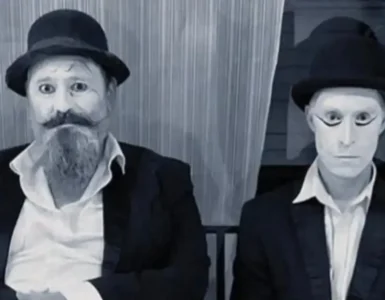
 Shay Mace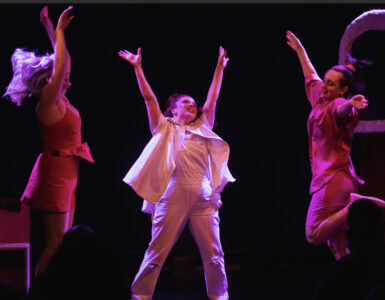
 Lamesha Ruddock