
 Phoebe Bakker
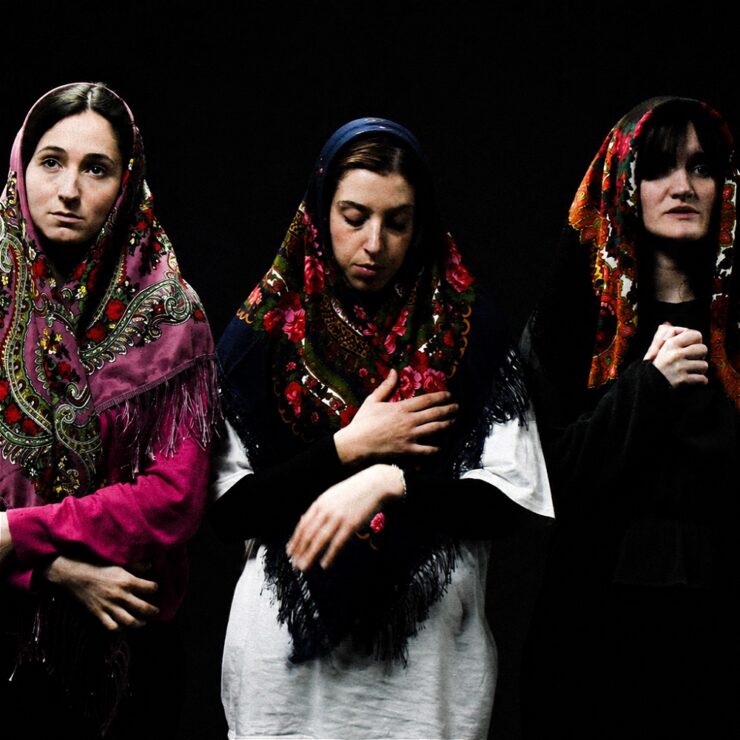
It’s 1999, the air is hot and thick and the walls are closing in on one family in the north of Portugal, but as tensions rise choices are made in a play that looks at intergenerational trauma, Catholicism and immigration. Carlotta is pregnant, welcomed into the family home by the matriarch of the family Maria, who dotes on her daughter in law with warmth and kindness but seemingly unable to extend that kindness to her own daughter and a disabled granddaughter who remains offstage.
Upon entrance we are adorned with Portuguese folk music, hinting at the role tradition will play in shaping each of the women’s lives. Tradition is one of the more compelling elements that is woven into the text and how that is largely wrapped around faith. Religion is never explicitly discussed in regards to how that shapes their own opinions and views and yet you can feel its underpinning throughout. Moments of striking bells deliver sermons that seem to inflict a moral judgement upon Rafaela that threaten to break her, later foreshadowing her secret that is revealed. Maria’s pampering of Carlotta seems tied heavily with a preservation of her legacy and the continuing of the family name, that prevents her from allowing her son’s consequences from being seen later.
However I struggle with some of the family dynamics. The stage is intentionally small, the setting a sweltering summer, all to create a challenging environment for this trio and yet as the play progresses the tension never particularly increases though the stakes are raised. There’s a level of control maintained through the performances despite Maria’s abuse of Rafaela becoming excessively crueler but little else that establishes the emotional complexities of their relationship. Equally Carlotta’s lack of affection for Rafaela is unclear, as though we are getting a snapshot view of these current standing relationships but lacking the history leaving the dynamics a little underbaked.
There is an undeniable sense of love and empathy that has been put into the piece. The thought invested into these relationships and what it categorises is evident, and the production clearly wants us to understand the complexities of a family shaped by secrecy, faith and inherited pain. Yet for a family so entrenched with keeping secrets, the characters are remarkably quick to verbalise their feelings.
Some of the more striking moments in the piece appear through its movement. Towards the latter half a greater sense of synchronisation emerges creating a shared physical language and tying their experiences to one another. I would have loved to have seen this threaded more frequently throughout. The movement allowing the characters to express and diverge where temperaments change or words fail.
Fragrant, plentiful and thought provoking, 1999 has all the ingredients for an engaging exploration of generational trauma. Its ambitions are clear and there is a real sense of tenderness beneath the surface of tension. While some of the relationships would benefit from some more development, there’s something really human at the heart of this piece.
A Glass of Traditional Port
1999
About the show
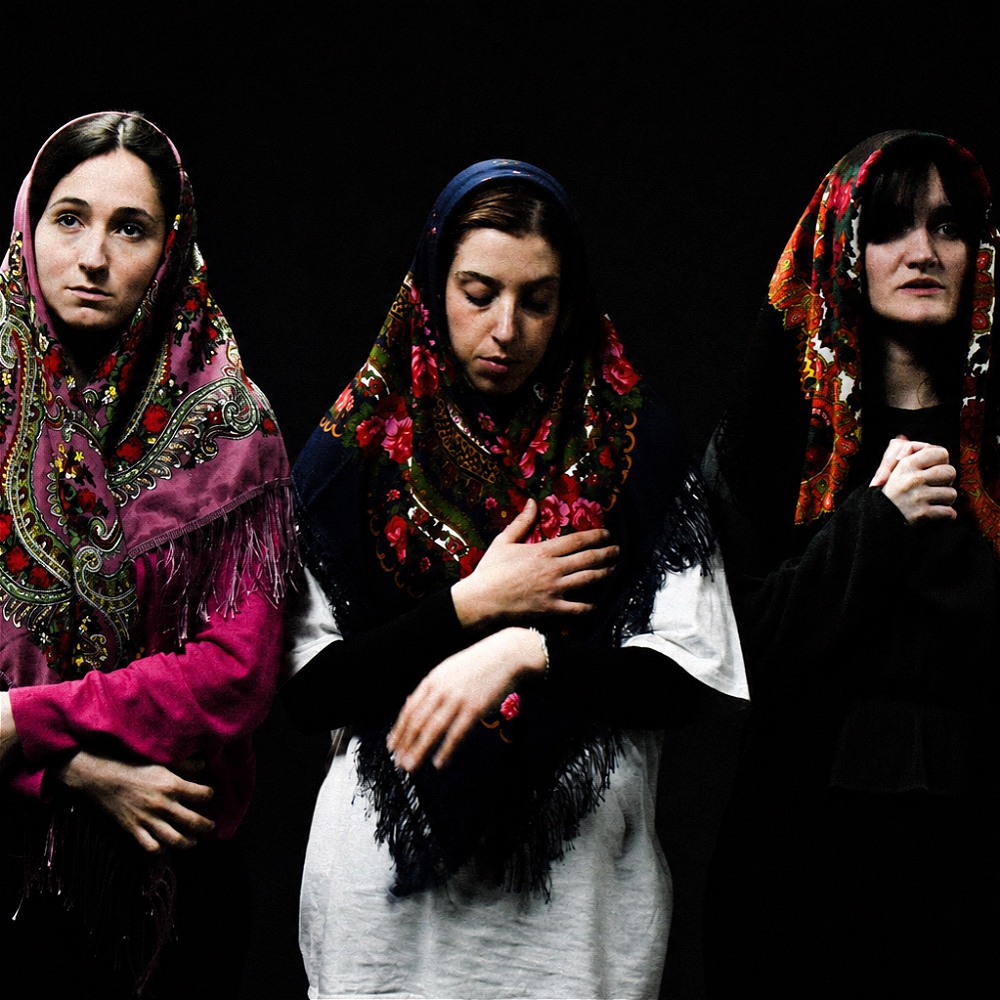
North of Portugal. Summer. 1999. The walls are decaying, the air is thick, death lingers and Rafaela is ready to go. 3 women bound to the same house governed by the Matriarch. Will Rafaela remain…

 Shay Mace